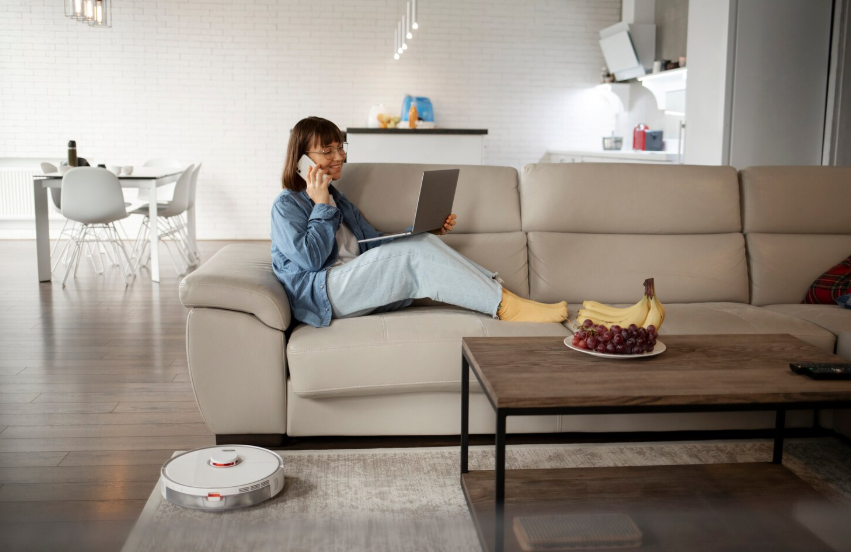
Simplifying Daily Tasks
Smart home technology has made everyday tasks easier and more efficient. Devices such as smart lights, thermostats, and appliances can be controlled remotely through smartphones or voice commands. This convenience allows homeowners to manage their environment effortlessly, from adjusting lighting and temperature to controlling entertainment systems. Simplifying daily tasks saves time and enhances comfort, making routines smoother and more enjoyable.
Improving Energy Efficiency
Smart home systems help reduce energy consumption and utility costs. Automated lighting, climate control, and energy monitoring allow users to optimize usage based on occupancy and preferences. For example, smart thermostats adjust heating and cooling automatically, ensuring energy is not wasted. These technologies not only save money but also contribute to environmental sustainability by reducing the overall carbon footprint of households.
Enhancing Security and Safety
Home security is greatly improved through smart devices. Cameras, door locks, and alarm systems can be monitored and controlled remotely, providing real time alerts and notifications. Smart sensors detect motion, smoke, or water leaks, allowing homeowners to respond quickly to potential threats. By integrating security into daily living, smart home technology ensures peace of mind and protects both property and residents.
Facilitating Connectivity and Convenience
Smart home technology connects multiple devices, allowing seamless integration and control. Voice assistants and mobile applications serve as central hubs for managing lighting, appliances, entertainment, and security. This interconnected system provides convenience, enabling users to operate multiple functions from a single platform. Connectivity enhances the overall home experience and simplifies management of household technology.
Supporting Health and Wellness
Many smart home devices focus on improving health and wellness. Air purifiers, humidifiers, and smart lighting systems contribute to a healthier indoor environment. Sleep tracking and reminders for hydration or activity help residents maintain balanced lifestyles. By monitoring and adjusting home conditions, smart technology promotes well being and ensures a comfortable and safe living space.
Enabling Remote Access and Control
One of the major advantages of a smart home is the ability to control devices remotely. Homeowners can check security cameras, adjust heating, or switch off lights while away from home. Remote access increases convenience, saves energy, and provides reassurance that the home is secure. It allows individuals to manage their living environment from virtually anywhere, improving flexibility and efficiency.
Supporting Personalized Experiences
Smart home technology adapts to individual preferences and routines. Devices can learn user habits and automatically adjust settings to enhance comfort and convenience. Personalized lighting, temperature, and entertainment options create a tailored home experience. This adaptability ensures that daily living aligns with personal preferences and enhances the overall quality of life.
Enhancing Entertainment Options
Entertainment is seamlessly integrated into smart homes through streaming devices, smart TVs, and audio systems. Residents can control music, movies, and games with voice commands or mobile apps. Multi room audio and synchronized displays provide immersive experiences for family members and guests. Smart technology brings convenience and enjoyment to home entertainment, making leisure activities more engaging.
Supporting Accessibility and Inclusivity
Smart home technology improves accessibility for individuals with mobility challenges or disabilities. Voice commands, automated routines, and remote controls allow easier management of household functions. These features provide independence and make daily living more comfortable and efficient. Smart homes promote inclusivity by ensuring that technology can serve a wide range of needs and abilities.
Preparing Homes for the Future
Adopting smart home technology prepares households for the future of living. As devices become more intelligent and interconnected, homes will offer greater efficiency, safety, and personalization. Integrating these innovations today allows homeowners to enjoy the benefits of convenience, security, and sustainability while adapting to evolving technology. Smart homes represent a forward thinking approach to modern living, transforming daily life in meaningful ways.